
2026 Web Design Trends: 9 Essential Patterns Shaping the Future of Digital Design
The web design landscape is undergoing a dramatic transformation as we head into 2026. After analyzing hundreds of websites and tracking emerging patterns throughout 2025, clear trends are crystallizing that will define digital aesthetics for the year ahead. Whether you're a web designer, developer, or business owner looking to stay competitive, understanding these nine trends is essential for creating websites that resonate with modern audiences.

12 min read


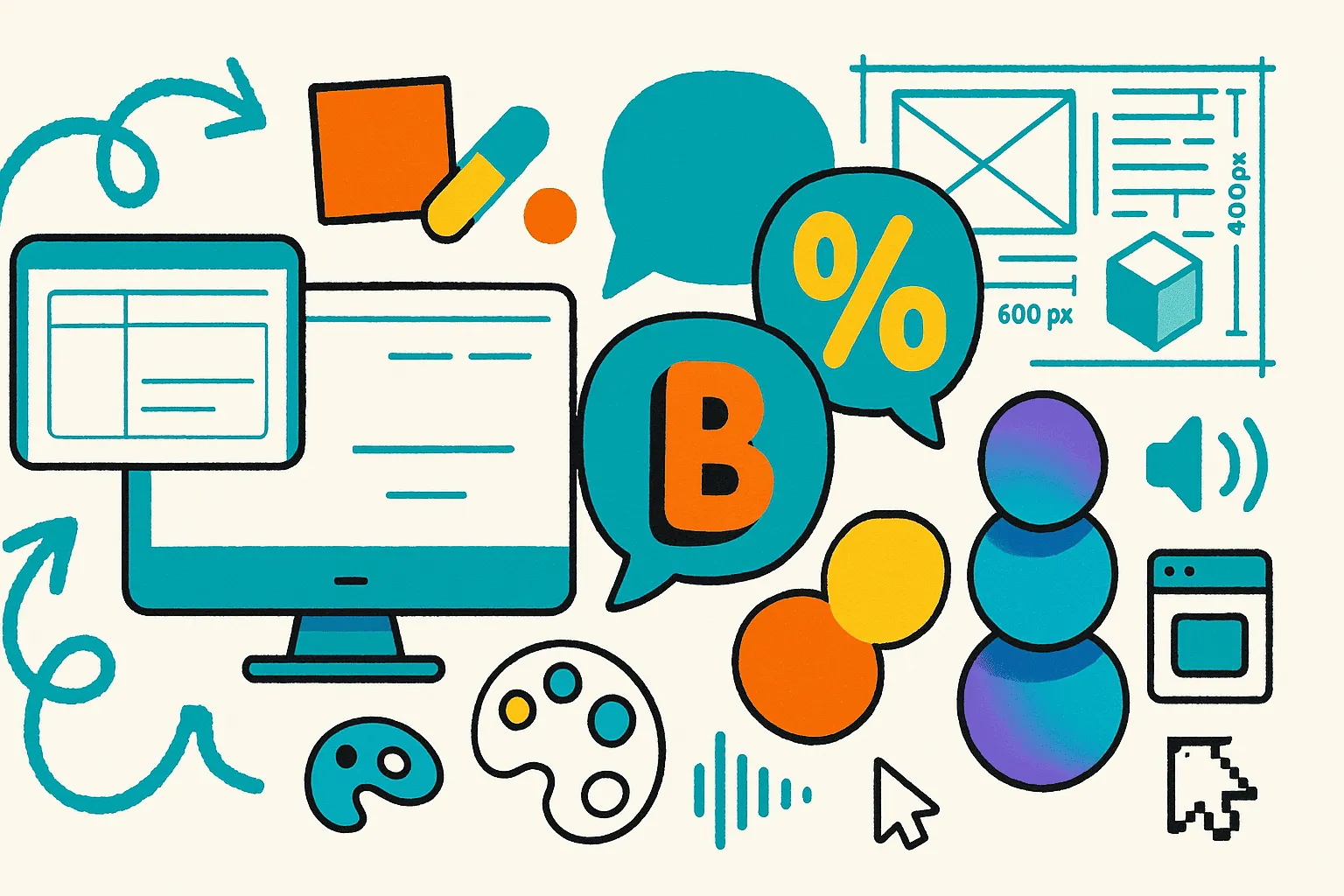
The web design landscape is undergoing a dramatic transformation as we head into 2026. After analyzing hundreds of websites and tracking emerging patterns throughout 2025, clear trends are crystallizing that will define digital aesthetics for the year ahead. Whether you're a web designer, developer, or business owner looking to stay competitive, understanding these nine trends is essential for creating websites that resonate with modern audiences.
Table of Contents
- The Driving Forces Behind 2026 Design Trends
- 1. Barely-There UI: The Minimalist Revolution
- 2. Maximalism with an Asterisk: Controlled Chaos
- 3. The Human Touch: Wabi-Sabi and Anti-UX Moments
- 4. Grade School Color Palettes: Back to Basics
- 5. Spaceship Instruction Manual: Technical Aesthetics
- 6. Democratized Fancy Animations: WebGL for Everyone
- 7. Internet Nostalgia: Early 2000s Revival
- 8. The Tab That's Playing Music: Micro-Sound UX
- 9. Tech Bro Gradient: The SaaS Signature
- How to Choose the Right Trends for Your Project
- Skills Beyond Trend Awareness
- Looking Ahead: What Comes After 2026?
- Conclusion: Designing with Purpose in 2026
The Driving Forces Behind 2026 Design Trends
Before diving into specific trends, it's important to understand what's shaping the design landscape. The massive influx of venture capital into AI companies has created a ripple effect across the entire tech industry. Startups and established brands alike are adopting visual languages that signal innovation, technical sophistication, and forward-thinking approaches. At the same time, there's a growing counter-movement emphasizing human creativity and imperfection as a response to AI-generated content.
1. Barely-There UI: The Minimalist Revolution
What Is Barely-There UI?
The barely-there UI trend represents the ultimate evolution of minimalism in web design. Characterized by extremely thin sans-serif fonts, stripped-down layouts, and restrained color palettes, this aesthetic has become the unofficial visual language of AI companies and tech startups.
Why It's Dominating in 2026
Industry leaders like OpenAI and Perplexity have pioneered this hyper-minimal approach, and the rest of the tech world is following suit. With venture capital continuing to pour into AI opportunities, this trend shows no signs of slowing down in 2026.
Key Characteristics
- Ultra-thin sans-serif typography
- Minimal color palettes (often 2-3 colors maximum)
- Abundant white space
- Clean, uncluttered layouts
- Strategic use of data visualization and graphs
- Single font family implementations
How to Implement Barely-There UI
Start by auditing your current color palette and reducing it to essential colors only. Don't feel pressured to use multiple font families, one well-chosen typeface is often sufficient. Dramatically increase white space around elements, and consider whether graphs or data visualizations can replace decorative elements.
Best for: SaaS platforms, AI tools, fintech applications, B2B software, and brands wanting to project sophistication and technical credibility.
2. Maximalism with an Asterisk: Controlled Chaos
The Countertrend to Minimalism
While minimalism dominates the tech sector, there's a parallel trend moving in the opposite direction. Maximalism represents the creative rebellion against stripped-down aesthetics, but with important restraints that keep it from becoming overwhelming.
Why Maximalism Hasn't Fully Exploded
Despite predictions that maximalism would dominate, AI-driven hyper-minimalism has tempered its growth. The trend exists and continues to evolve, but with more control than initially anticipated.
Design Elements
- Oversized, bold typography
- Vibrant, high-contrast color combinations
- Multiple visual elements competing for attention
- Animated components and dynamic interactions
- Layered design patterns
- Unexpected color pops
Implementation Strategy
Push your header fonts larger than feels comfortable. Add one or two unexpected color accents that stand out from your primary palette. The key is to push boundaries while still serving the website's core purpose and brand identity.
Best for: Creative agencies, entertainment brands, youth-oriented products, fashion websites, and businesses wanting to project energy and creativity.
3. The Human Touch: Wabi-Sabi and Anti-UX Moments
Embracing Imperfection in the Age of AI
As artificial intelligence becomes increasingly sophisticated at generating perfect, polished content, designers are deliberately introducing imperfections that signal human creativity. This trend draws inspiration from the Japanese aesthetic philosophy of wabi-sabi, which finds beauty in imperfection and impermanence.
Design Manifestations
- Hand-drawn arrows and underlines
- Sketchy illustrations and doodles
- Unpolished photography (phone camera aesthetics)
- Handmade textures (paper, ink, watercolor)
- Asymmetrical layouts
- Intentional "mistakes" and quirks
- Anti-UX moments that break conventions
Subtle vs. Extreme Implementations
Most websites incorporate subtle touches, a hand-drawn arrow here, a rough texture there. More adventurous brands push into anti-UX territory, deliberately creating moments that defy user expectations in creative ways.
How to Add Human Touch
Start small with one or two imperfect elements. A scribbled underline, a rough-edged icon, or slight asymmetry can signal human creativity without compromising usability. The goal is authenticity, not messiness.
Best for: Design studios, artisanal brands, creative portfolios, boutique businesses, and any brand wanting to emphasize craftsmanship and originality.
4. Grade School Color Palettes: Back to Basics
The Evolution from Neon to Nostalgic
After the neon color explosion of late 2024, particularly the ubiquitous bright lime green, the pendulum has swung toward more grounded, fundamental colors. These aren't kindergarten primary colors, but nuanced takes on classic Crayola shades.
Color Characteristics
- Fundamental hues with subtle variations
- Tints and shades that add sophistication
- Nostalgic color combinations
- Orange as a dominant accent color
- Red-orange variations
- Earthy, approachable tones
The Orange Phenomenon
Orange has emerged as the standout color of this trend, appearing frequently enough to almost warrant its own category. From basic orange to red-tinged variations, this warm, energetic color is everywhere.
Application Tips
Explore simpler, more grounded color palettes. Don't overcomplicate your color system, basics are making a comeback. Consider how orange or warm accent colors might energize your design without overwhelming it.
Best for: Education platforms, family-oriented brands, approachable tech products, and businesses wanting to project warmth and accessibility.
5. Spaceship Instruction Manual: Technical Aesthetics
Deconstructed Design Language
This trend borrows visual language from technical documentation, blueprints, and instruction manuals. It creates a sense of sophistication and technical depth, even when the actual content isn't particularly complex.
Visual Elements
- Blueprint-style layouts
- Connecting lines and callouts
- Small, technical-looking labels
- Monospace typography
- Exploded view diagrams
- Lo-fi technical illustrations
- Schematic-style graphics
- Unnecessary (but cool) annotations
Why It Works
The spaceship instruction manual aesthetic signals precision, engineering, and technical competence, qualities valuable across many industries, not just technology.
Implementation Approach
Don't overthink it. Add a few connecting lines, some monospace labels, and maybe a diagram-style graphic. A little goes a long way, the goal is to create visual interest and technical credibility without cluttering the interface.
Best for: Tech companies, engineering firms, industrial design, architecture, and any brand wanting to emphasize technical expertise.
6. Democratized Fancy Animations: WebGL for Everyone
Breaking Down Animation Barriers
Advanced 3D animations and interactive graphics used to require specialized developers and significant budgets. New tools like Spline and Unicorn Studio have democratized these capabilities, making sophisticated animations accessible to designers without deep programming knowledge.
What's Possible Now
- WebGL-style 3D graphics
- Interactive 3D models
- Immersive scroll experiences
- Game-like website interactions
- Physics-based animations
- Real-time 3D rendering
- Particle effects and simulations
The Accessibility Revolution
Tools that simplify complex animation creation mean we'll see significantly more websites incorporating these previously high-end effects in 2026.
Strategic Implementation
Just because you can add fancy animations doesn't mean you should. Consider whether animations serve the website's goals and enhance communication. The best implementations use animation to tell stories and guide users, not just to show off technical capabilities.
Best for: Product showcases, brand storytelling, portfolio sites, innovative startups, and experiences where engagement and wow-factor drive business goals.
7. Internet Nostalgia: Early 2000s Revival
The Retro-Digital Aesthetic
As millennials and older Gen Z professionals move into decision-making roles, their nostalgia for early internet experiences is influencing design trends. This isn't mainstream yet, but expect to see more of it throughout 2026.
Nostalgic Elements
- Custom cursors with personality
- Retro UI components (Windows 95/98 aesthetics)
- ASCII art and text-based images
- Pixelated icons and graphics
- Old-school tooltips and popups
- Dial-up internet era references
- Deliberately "low-tech" moments
From Hated to Celebrated
Interestingly, custom cursors, which users despised when overused in the early 2000s, are making a tasteful comeback. The key difference is restraint and intentionality.
How to Incorporate Nostalgia
Start small with one nostalgic moment: a playful cursor, a pixelated icon, or a retro tooltip. Think of it as seasoning, a subtle reference that adds flavor without overwhelming the experience.
Best for: Gaming sites, tech communities, millennial-focused brands, creative projects, and businesses with playful brand personalities.
8. The Tab That's Playing Music: Micro-Sound UX
Sound Design Comes to the Web
Despite user complaints about unexpected website sounds, audio elements are increasing rather than decreasing. This trend is driven by mobile device conditioning, our phones have trained us to expect sonic feedback for interactions.
Types of Audio Integration
- Micro-sounds for button clicks
- Hover state audio feedback
- Transition sound effects
- Ambient background audio
- Interactive musical elements
- Loading state sounds
- Success/error audio cues
Why It's Not Going Away
When users tap or click something without auditory feedback, their brain questions whether the action registered. This expectation is spilling from mobile apps into web experiences.
Best Practices
Keep sounds tiny and tasteful. One soft click or subtle hover tone can enhance user experience. Full soundtracks or loud effects will likely frustrate users. Better yet, give users control over whether they hear sounds rather than forcing audio experiences.
Best for: Gaming platforms, interactive experiences, mobile-first applications, and brands with playful, engaging personalities.
9. Tech Bro Gradient: The SaaS Signature
The Unofficial Uniform of Tech
Soft gradients mixing purples, blues, teals, and occasional neon glows have become ubiquitous in the tech sector. This trend has become so prevalent it deserves its own category.
Gradient Characteristics
- Purple-to-blue transitions
- Teal and cyan accents
- Soft, subtle blending
- Occasional neon glow effects
- Sphere or blob shapes
- Faded opacity treatments
- Futuristic, innovative feel
Why It Works
These gradients are easy to implement, look sophisticated without excessive effort, and signal innovation and technical advancement, exactly what tech companies want to communicate.
Standing Out Within the Trend
Since tech bro gradients are everywhere, differentiation requires creativity. Experiment with unusual color combinations, unique shapes, or innovative applications that go beyond the standard faded sphere.
Best for: SaaS products, AI startups, developer tools, tech platforms, and any business wanting to project innovation and cutting-edge capabilities.
How to Choose the Right Trends for Your Project
Alignment with Brand and Goals
Not every trend suits every project. The critical question isn't "what's trending?" but "what serves this website and this brand best?" Before implementing any trend:
- Evaluate brand fit - Does this aesthetic align with brand personality?
- Consider target audience - Will users respond positively?
- Assess business goals - Does it support conversion, engagement, or other objectives?
- Review technical feasibility - Can it be implemented within budget and timeline?
- Test for accessibility - Does it maintain usability for all users?
Mixing Trends Strategically
The most effective designs often combine elements from multiple trends. You might use a barely-there UI foundation with grade school color accents and one or two human touch elements. The key is intentional combination rather than trend overload.
Avoiding Trend Fatigue
Remember that trends cycle quickly on the internet. What looks cutting-edge today may feel dated in 18 months. Balance trendy elements with timeless design principles to create websites with longer relevance.
Skills Beyond Trend Awareness
Understanding trends is valuable, but the real skill lies in knowing when and how to apply them. Top-tier designers don't just follow trends, they:
- Understand underlying user psychology
- Balance aesthetics with functionality
- Make data-informed design decisions
- Adapt trends to specific contexts
- Prioritize business outcomes over visual novelty
Looking Ahead: What Comes After 2026?
While these nine trends will dominate 2026, design never stands still. Watch for:
- AI-assisted personalization - Websites that adapt design to individual users
- Voice-first interfaces - Visual design that supports voice interaction
- AR integration - Augmented reality becoming standard for product visualization
- Sustainability signaling - Design choices that communicate environmental responsibility
- Neurodivergent-friendly design - Increased focus on cognitive accessibility
Conclusion: Designing with Purpose in 2026
The web design trends of 2026 reflect broader cultural movements: the rise of AI, nostalgia for pre-algorithm internet, the democratization of technical capabilities, and the enduring tension between minimalism and maximalism. Whether you embrace barely-there UI, experiment with maximalist chaos, add human touches, or incorporate any of these nine trends, the most important principle remains constant: design should serve the user and support business goals.
Trends provide inspiration and context, but thoughtful application separates good design from great design. As you plan your 2026 projects, use these trends as a starting point for exploration, not a checklist of requirements. The websites that will truly stand out are those that synthesize trend awareness with deep understanding of users, brand identity, and business objectives.
The future of web design is diverse, dynamic, and more accessible than ever. Whether you're designing for an AI startup, a creative agency, or a traditional business modernizing its digital presence, 2026 offers a rich palette of aesthetic options to explore. The question isn't which trend to follow, but how to thoughtfully combine elements that create memorable, effective, and user-centered digital experiences.
Key Takeaways:
- Barely-There UI dominates tech and AI sectors with minimal aesthetics
- Maximalism provides creative counterbalance with bold, playful elements
- Human Touch elements combat AI-generated content with intentional imperfection
- Grade School Colors bring warmth and nostalgia, especially orange tones
- Spaceship Instruction Manual aesthetics signal technical sophistication
- Democratized Animations make advanced effects accessible to all designers
- Internet Nostalgia revives early 2000s elements with modern restraint
- Micro-Sound UX adds auditory feedback despite mixed user reactions
- Tech Bro Gradients remain the unofficial uniform of SaaS and AI products
The most successful 2026 websites will combine these trends strategically while maintaining focus on user needs and business objectives.
🤝 Need a Custom RSVP System or Dashboard?
I help businesses build tools that actually work , even on tight deadlines.
Whether you're planning an event, need internal tools, or want a custom dashboard for your team , I can help.
Reach out
📧 Email: safi.abdulkader@gmail.com | 💻 LinkedIn: @abdulkader-safi | 📱 Instagram: @abdulkader.safi | 🏢 DSRPT
Drop me a line, I’m always happy to collaborate! 🚀
Last updated 29 May 2026
