My last project </>
Abdulkader Safi web and mobile application development Projects
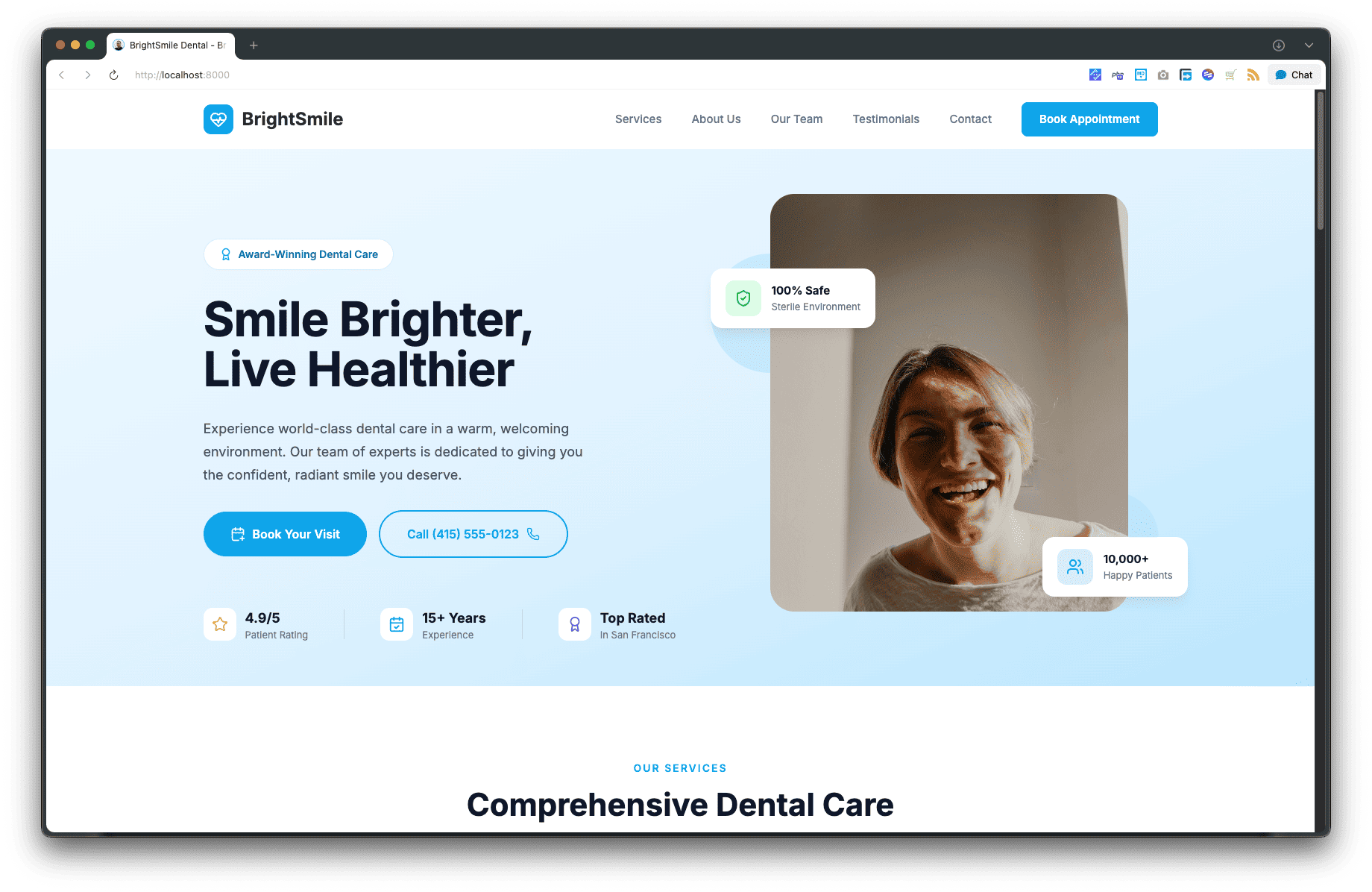
Dental Clinic Website
BrightSmile Dental is a full-featured dental clinic website with a modern, clean design and professional healthcare aesthetic, featuring a fully responsive layout optimized for mobile, tablet, and desktop devices, interactive components with smooth animations, and comprehensive information architecture.
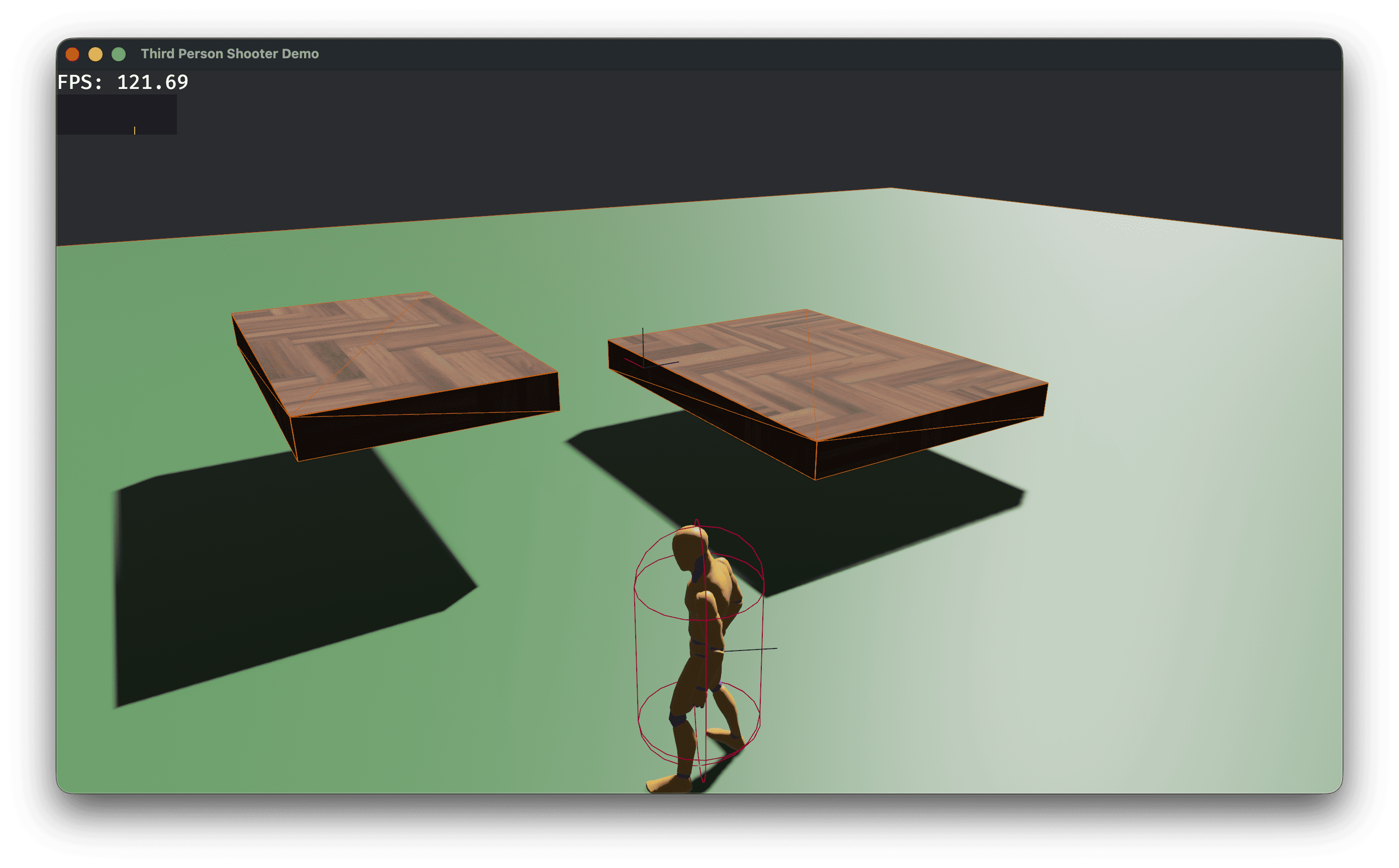
Third Person Shooter
A third-person shooter movement system built with Bevy 0.17, Rapier physics, and TrenchBroom level support.
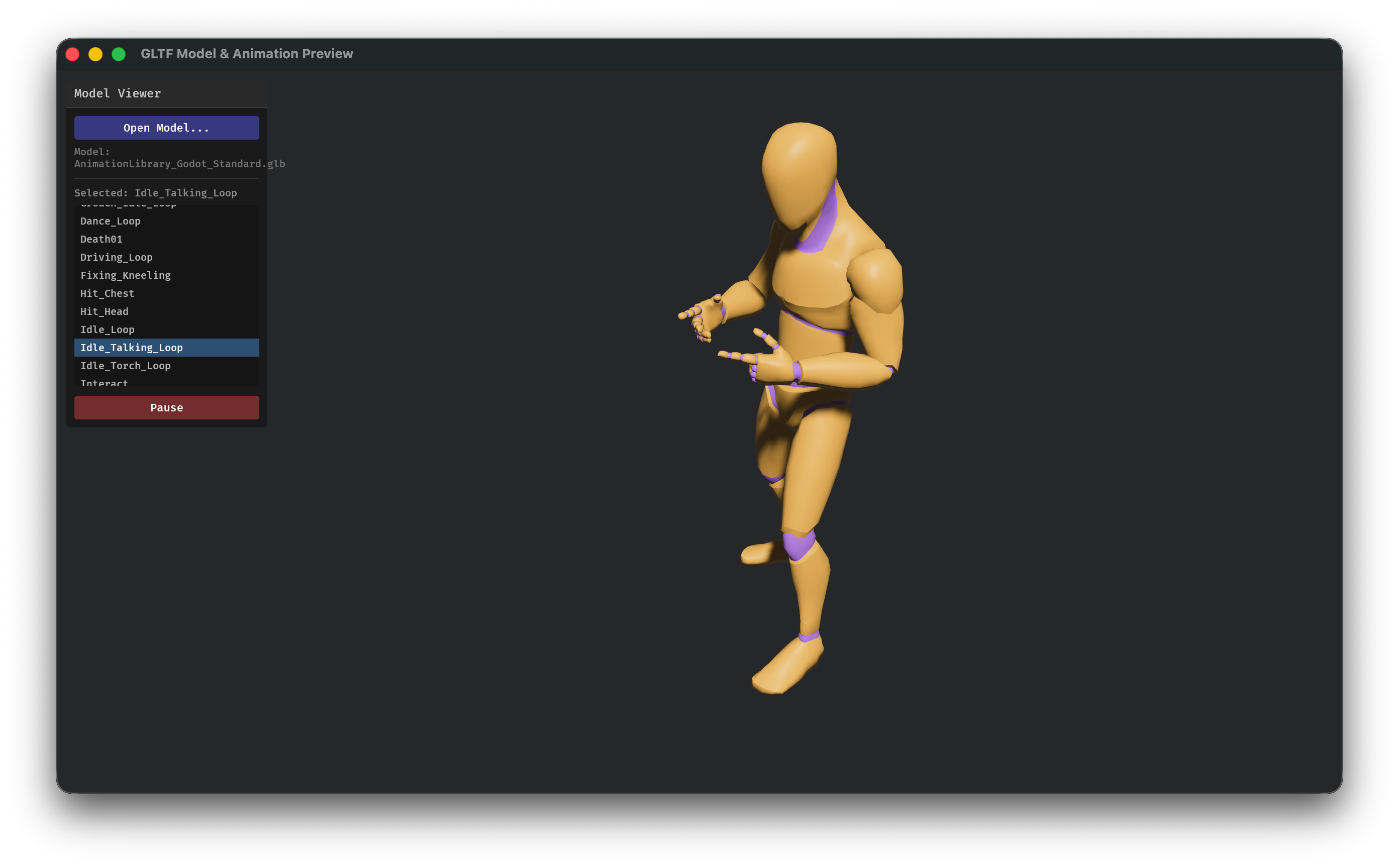
3D Model Viewer in Rust with Bevy | GLTF Animation Preview Tool
3D Model Viewer in Rust with Bevy | GLTF Animation Preview Tool
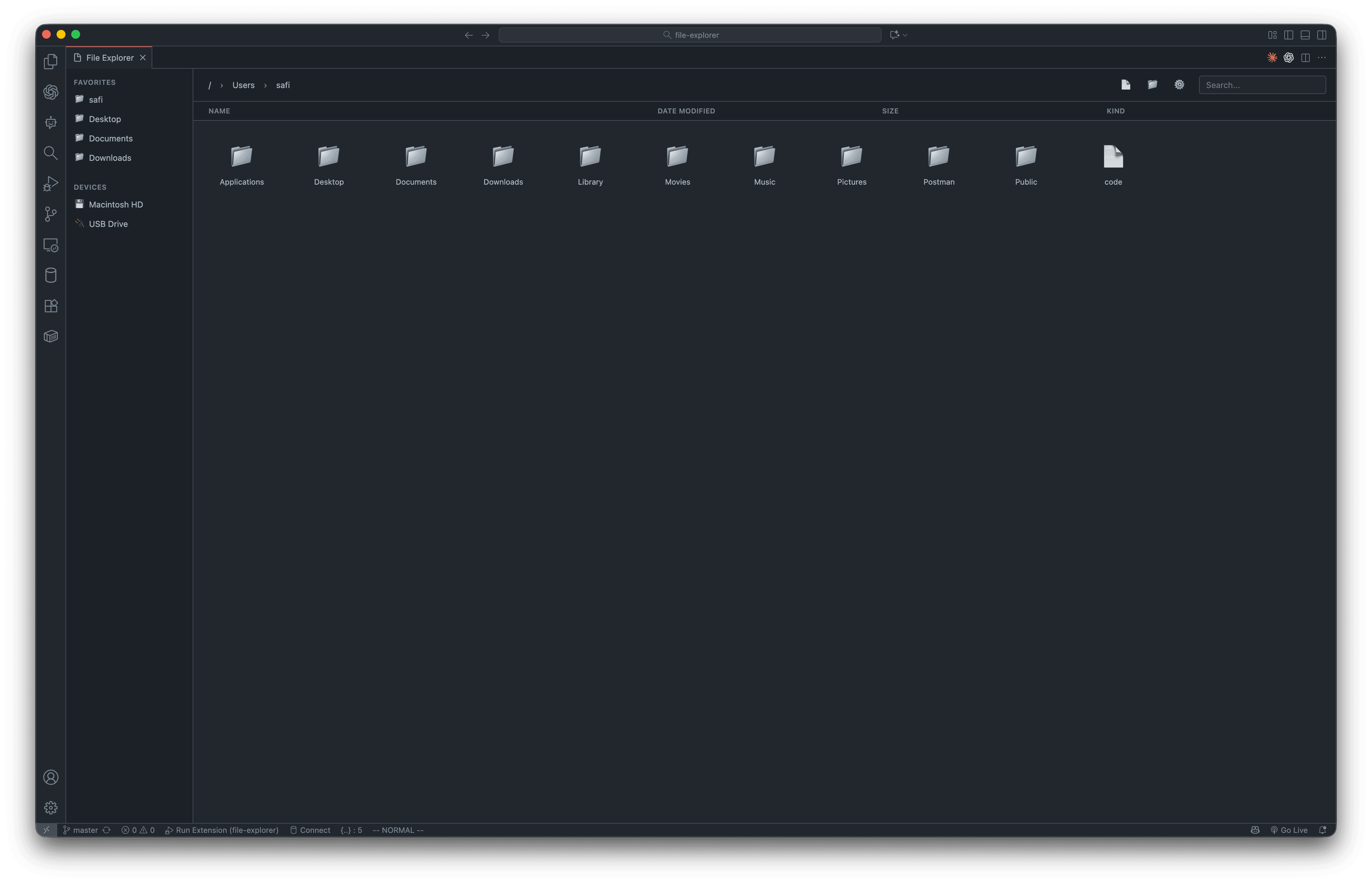
I Built a Better File Explorer for VSCode Because macOS Finder is Painful
As a developer who spends 8+ hours a day in Visual Studio Code, constantly switching between my code editor and Finder feels like productivity torture. The context switching, the slow previews, the clunky interface - it all adds up to wasted time and broken concentration.
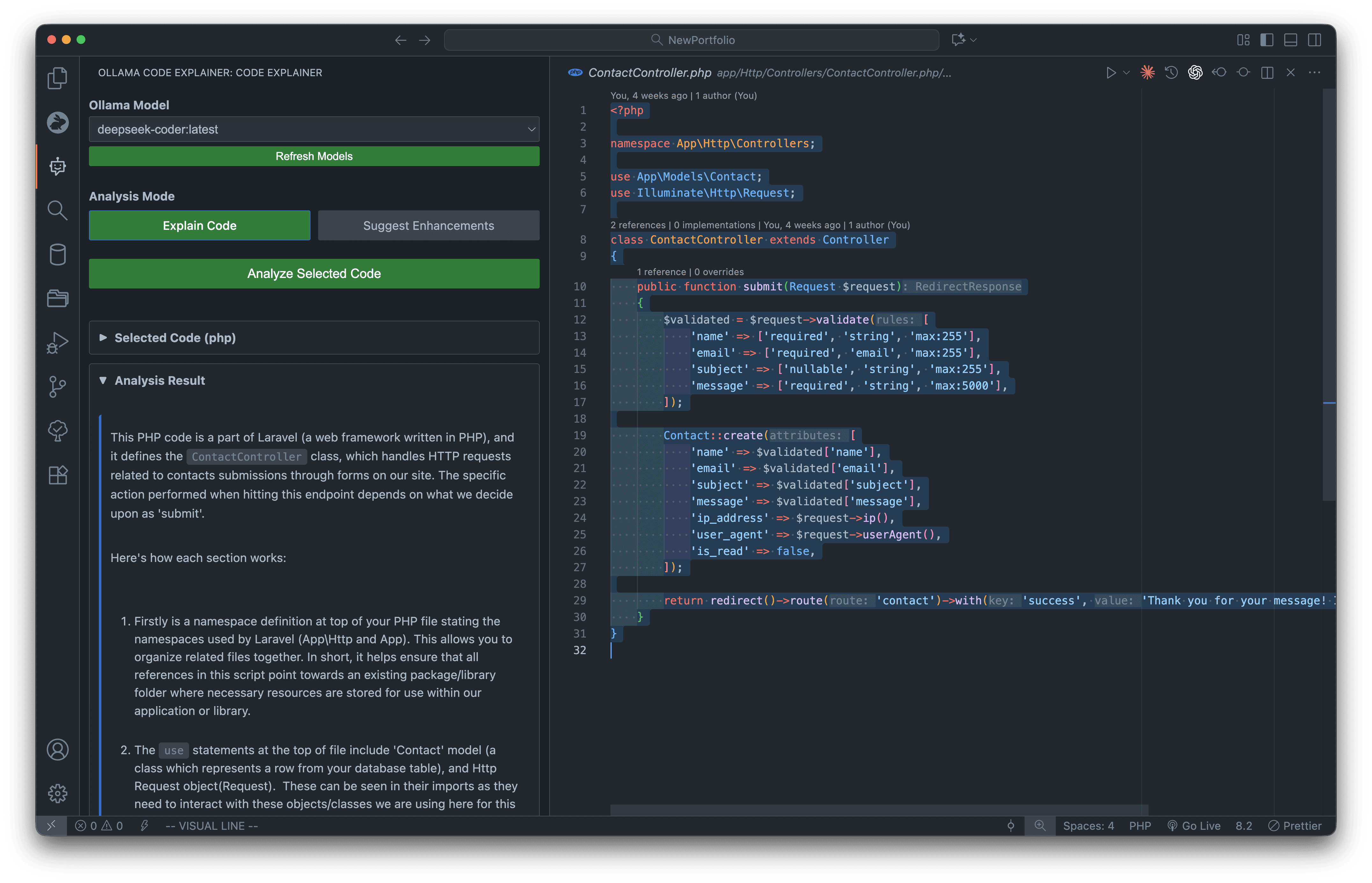
ClarifAI: Free AI-Powered Code Analysis for Visual Studio Code
ClarifAI is a VS Code extension that brings the power of AI code analysis directly into your IDE. Unlike cloud-based AI coding assistants that send your code to external servers, ClarifAI runs completely locally using Ollama, ensuring your proprietary code never leaves your computer.
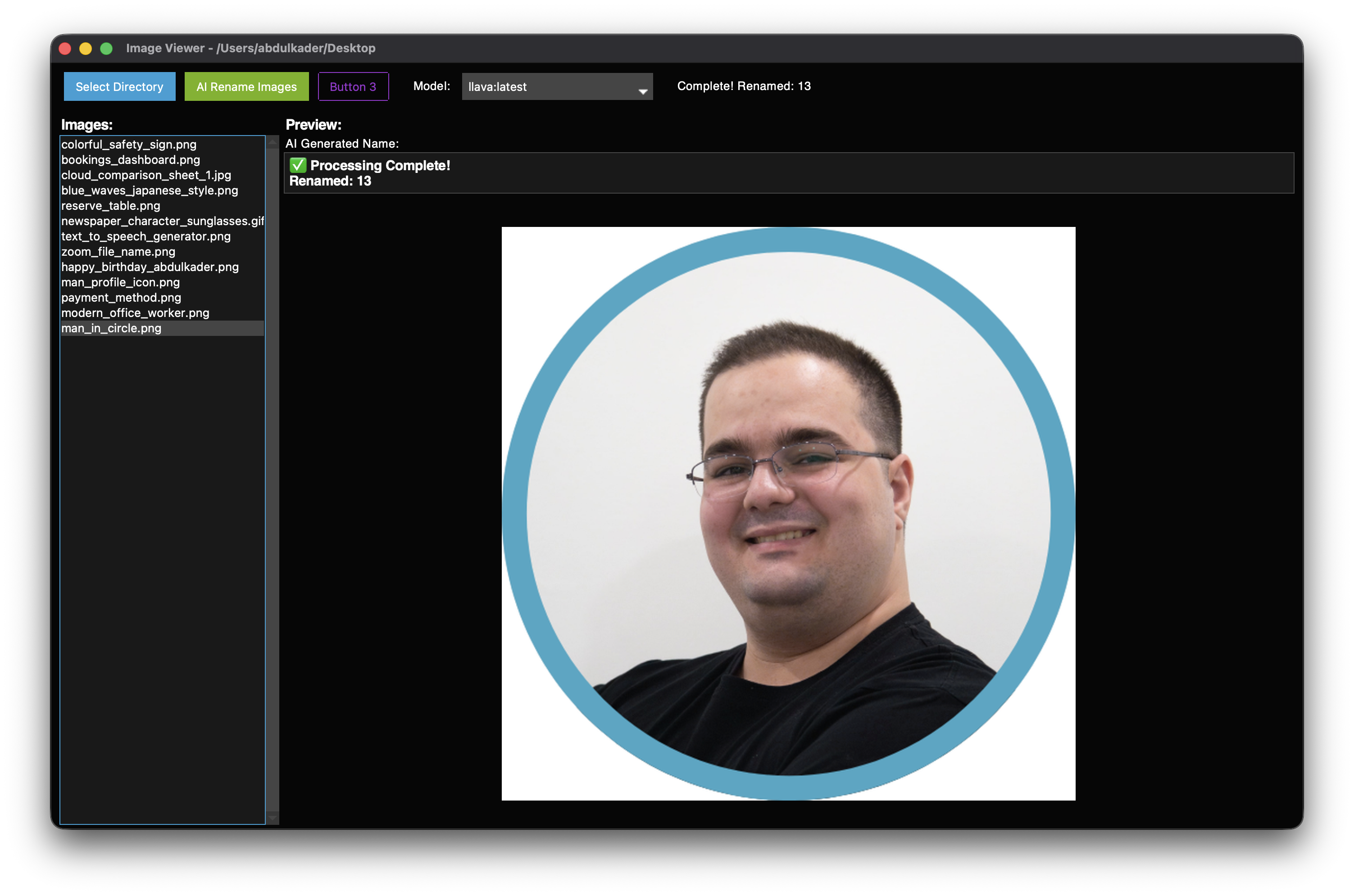
Rename Images with AI
Tired of messy photo names like IMG_1234? - I built a small program that renames all the pictures in any folder on my computer.
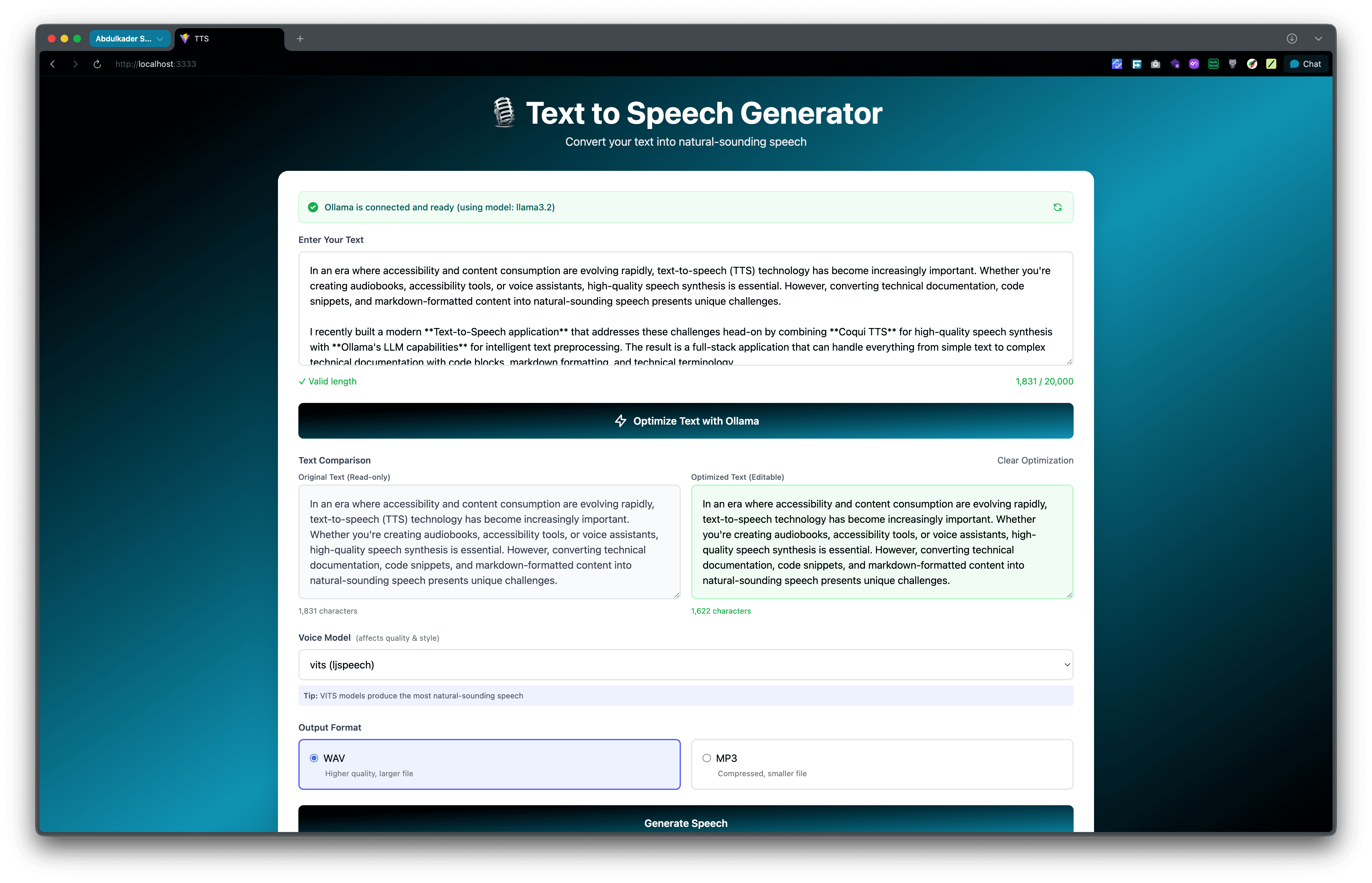
Modern Text-to-Speech Application with AI-Powered Text Optimization
In an era where accessibility and content consumption are evolving rapidly, text-to-speech (TTS) technology has become increasingly important. Whether you're creating audiobooks, accessibility tools, or voice assistants, high-quality speech synthesis is essential. However, converting technical documentation, code snippets, and markdown-formatted content into natural-sounding speech presents unique challenges. I recently built a modern Text-to-Speech application that addresses these challenges head-on by combining Coqui TTS for high-quality speech synthesis with Ollama's LLM capabilities for intelligent text preprocessing. The result is a full-stack application that can handle everything from simple text to complex technical documentation with code blocks, markdown formatting, and technical terminology. In this article, I'll walk you through the architecture, implementation details, and key learnings from building this project.
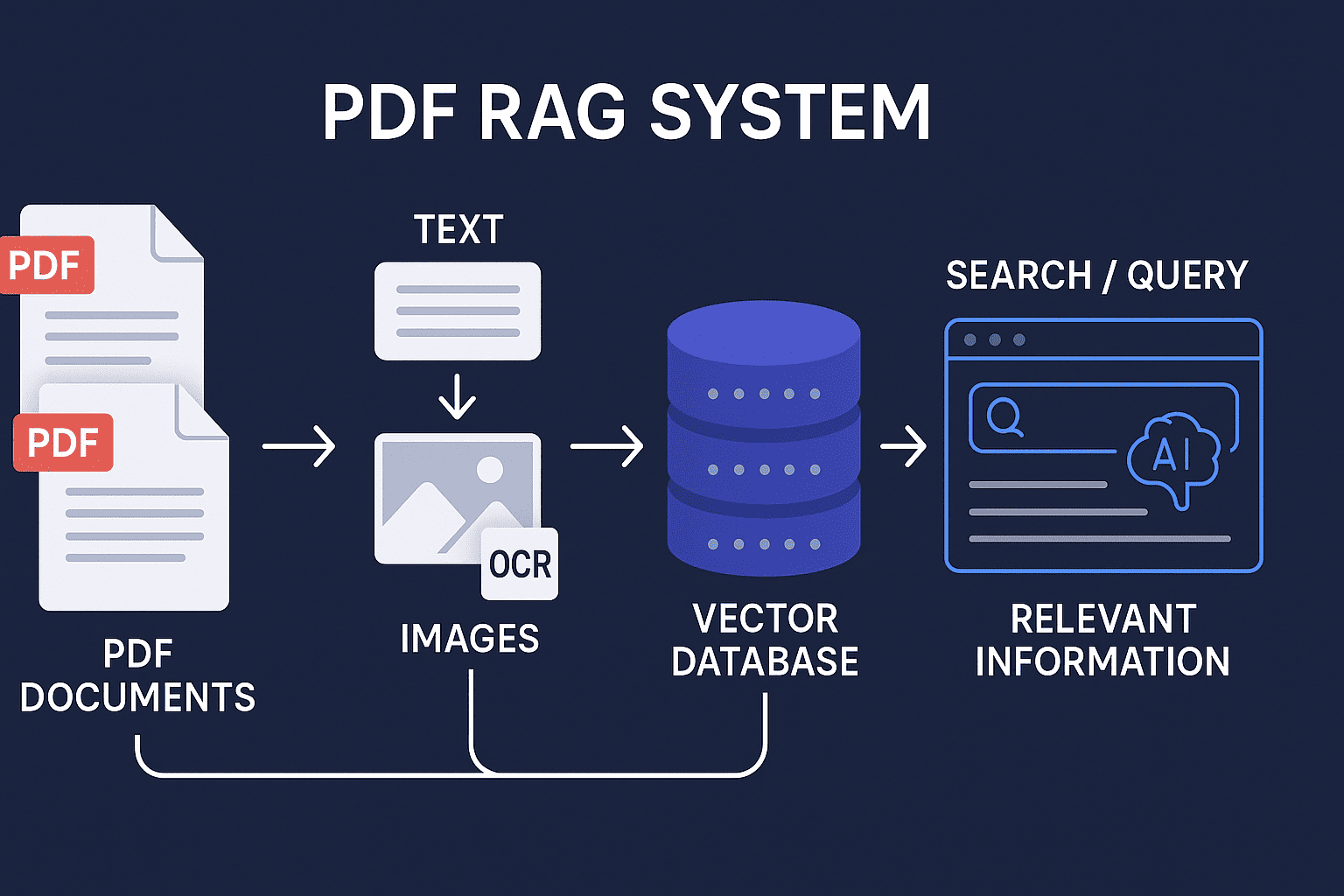
PDF RAG SYSTEM
A Retrieval-Augmented Generation (RAG) system that processes PDF documents with OCR support and enables question-answering using local LLMs via Ollama. Features parallel processing, smart caching, image deduplication, and FAISS vector search for efficient document analysis.
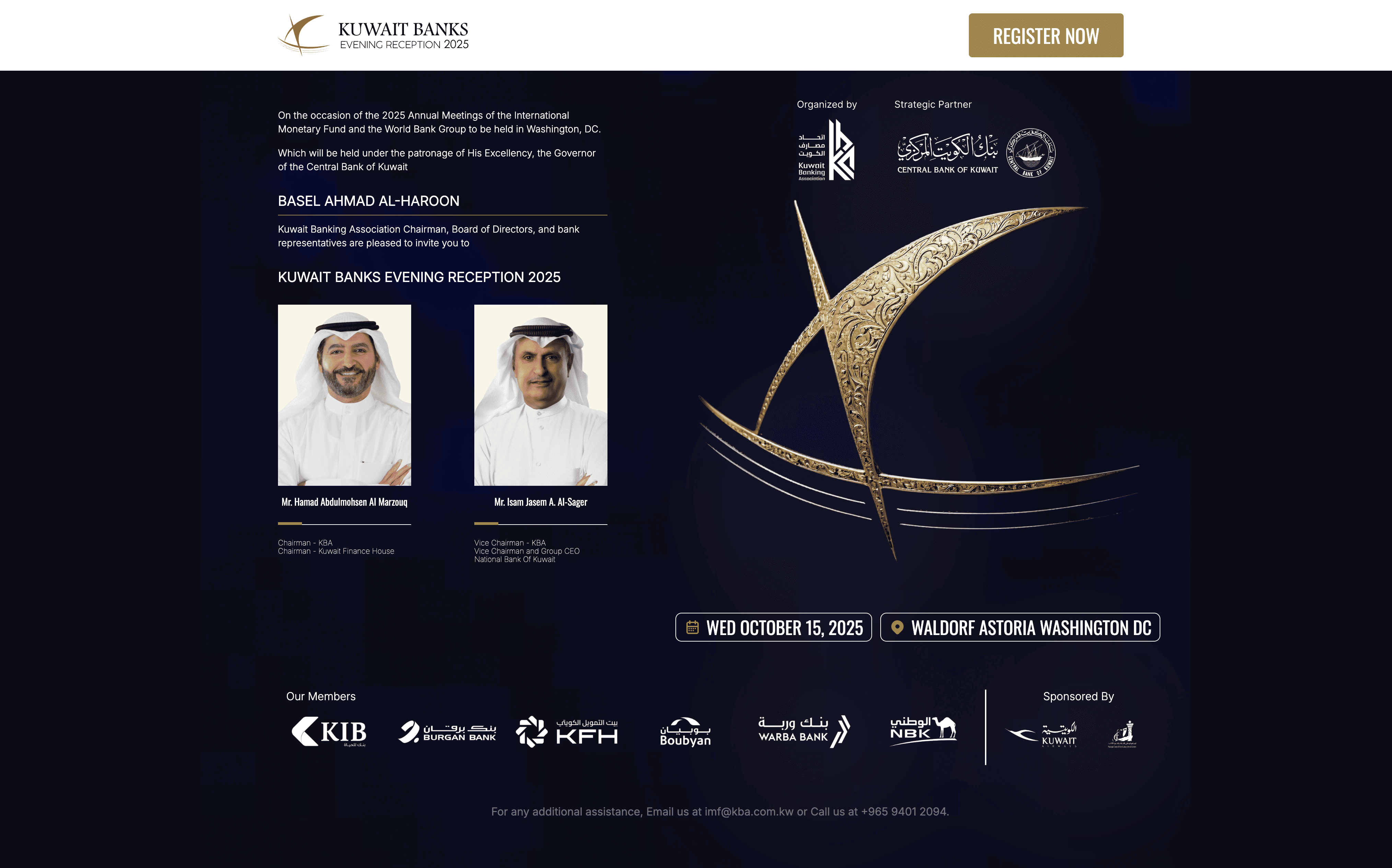
IMF 2025
The Kuwait Banks Reception 2025 is an official event held in Washington, D.C. during the meetings of the International Monetary Fund and the World Bank.
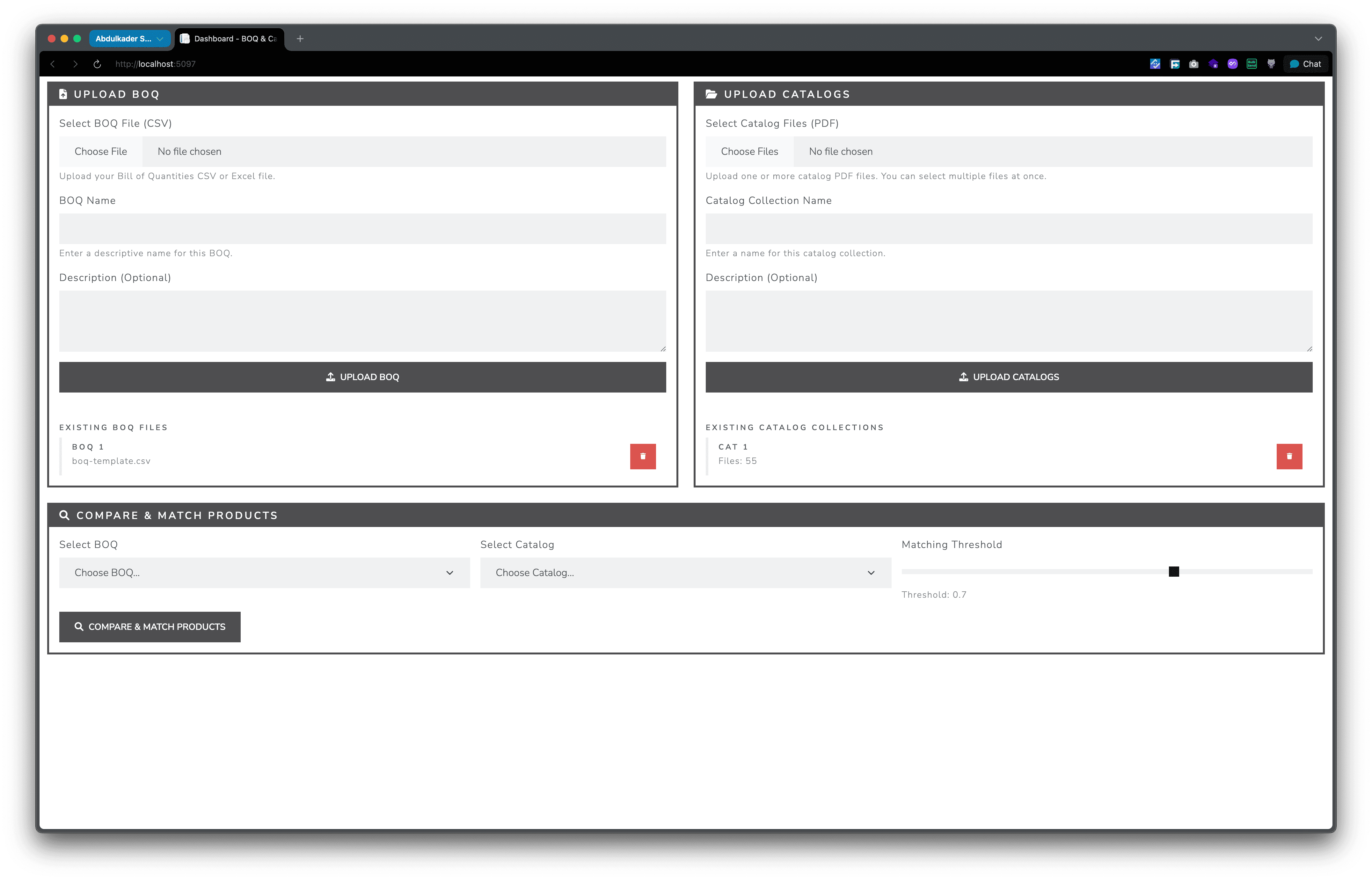
BOQ & Catalog Management Dashboard: Streamlined Product Comparison and Workflow
Effortlessly manage, upload, and match BOQ and catalog files. Streamline your project workflow with easy product comparison and organization.
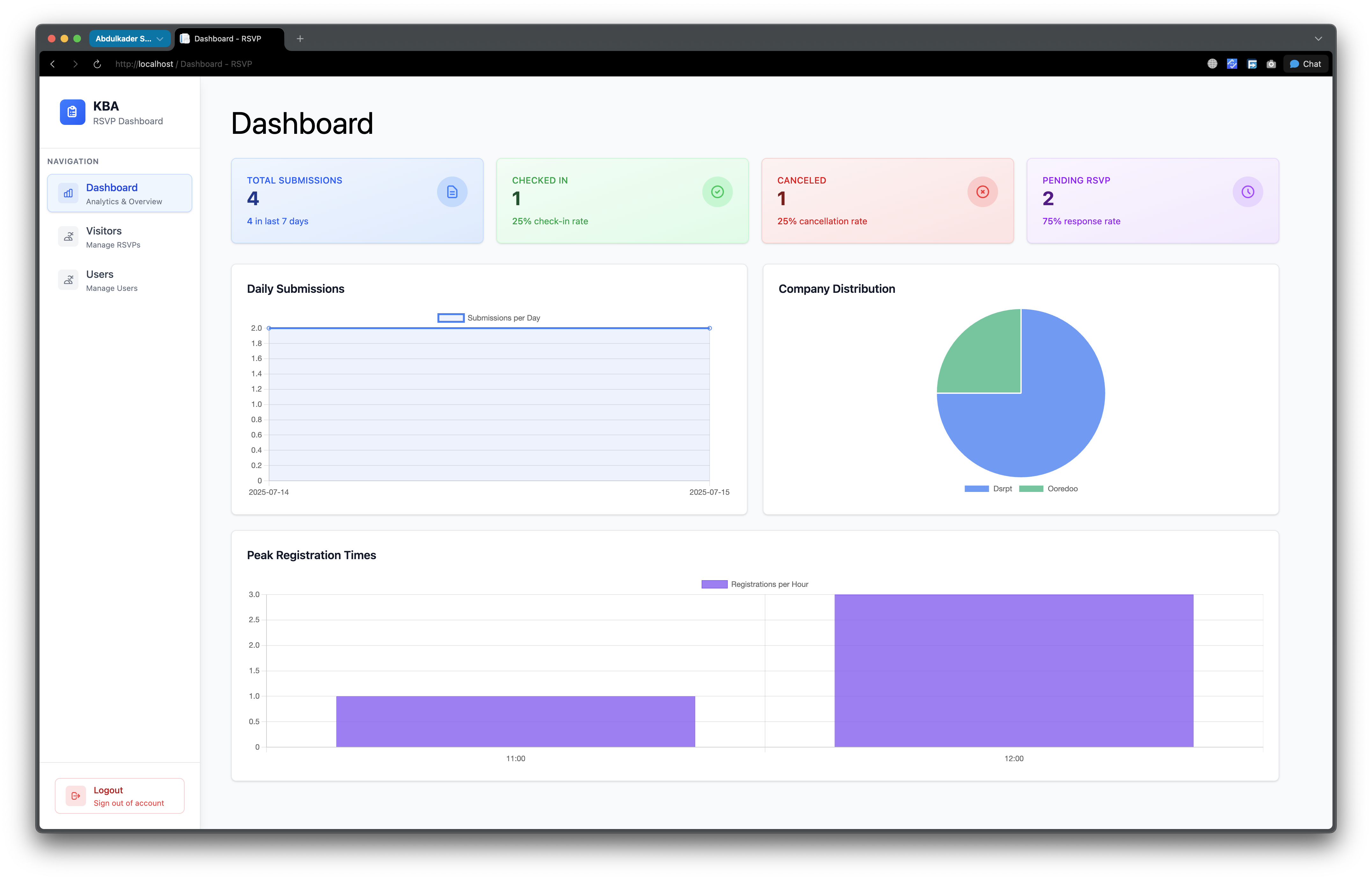
RSVP for Banking Association
RSVP for Banking Association
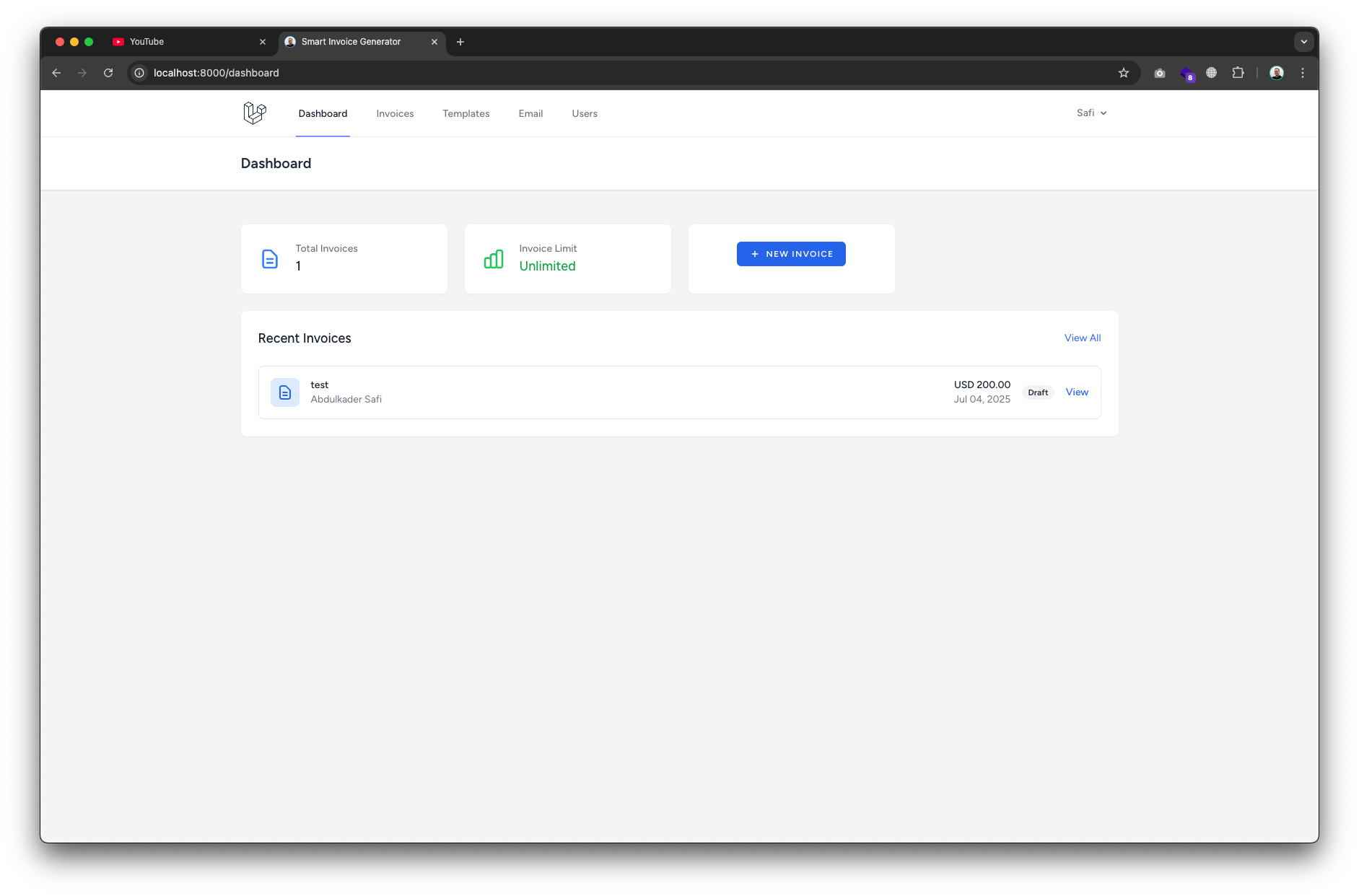
Invoice Generator
A custom invoice generator built with Laravel. Users can create, preview, and send invoices as PDFs using pre-made or custom-designed templates. Includes role-based access, SMTP support, and full invoice history tracking.