Writing
Things I wrote
And what the fix actually was. Mostly Laravel, TypeScript and the tooling around them.
Featured
Moving from Vercel to Hetzner with Coolify: the guides are quoting dead prices
Almost every "move from Vercel to Hetzner with Coolify" guide was written in 2025. Hetzner raised cloud prices twice in 2026, and the exact server those guides name now costs 144% more. Here are the real numbers and the plan to pick instead.
6 Aug 2026 · Docker · 10 min read
Filter by topic 61

Everything You Need to Know About ES2025: What’s New in JavaScript
JavaScript keeps evolving. Every year, the ECMAScript standard (aka “ES”) gets updates. And ES2025 is here with a fresh set of features. Some updates are small quality-of-life improvements. Others change the way we write code. Here’s a breakdown of what’s new, why it matters, and how you can start using these features today.
When to Use REST, GraphQL, or gRPC: A Practical Breakdown
In the world of API development, choosing the right tool for your project can make a significant difference in performance, maintainability, and scalability. REST, GraphQL, and gRPC are three popular approaches to building APIs, each with its own strengths and ideal use cases. Let’s dive into a practical breakdown of when to choose each.
Securing Your API: Auth Strategies for REST vs GraphQL with Spring Boot
In the modern web development landscape, APIs are essential for connecting frontend applications with backend services. Whether you're building a RESTful API or leveraging GraphQL for flexible data queries, securing your endpoints is critical to protect sensitive data and ensure user privacy.
Should You Migrate from REST to GraphQL? What to Consider
In the world of API development, choosing between REST and GraphQL often comes down to balancing flexibility, performance, and developer experience. While REST has been the dominant architecture for decades, GraphQL’s rise has sparked debates about whether to migrate from REST to this query language. Let’s break down the key factors to consider before making the leap.
Vibe Coding: The Good, The Bad, and the Future of Software Development
In an era where artificial intelligence is reshaping nearly every industry, software development is no exception. Enter vibe coding, a new approach to coding that leverages large language models (LLMs) like ChatGPT, Claude, and others to generate code from natural language prompts. Instead of writing lines of code manually, developers describe their goals in plain English, and the AI does the rest. But what does this mean for software development? Let’s explore when vibe coding shines, and when it falls short.
Building Scalable APIs: REST Best Practices You Shouldn’t Ignore
In today’s fast-paced digital world, scalable APIs are the backbone of modern applications. Whether you’re building a small project or a large-scale service, adhering to REST best practices ensures your API remains efficient, maintainable, and capable of handling growing traffic. In this article, we’ll explore essential REST best practices for building scalable APIs using **Node.js and Express**, complete with practical examples.
Mastering Self-Hosting with Reverse Proxy Servers: A Beginner's Guide
In an era where self-hosting has become a go-to solution for developers and tech enthusiasts, the concept of reverse proxy servers has emerged as a critical tool. This blog post dives into the world of reverse proxies, exploring their role in self-hosting and why they're indispensable for managing multiple applications, enhancing security, and streamlining development workflows.
Cross-Platform Excellence with React Native and Expo: A Developer's Guide to Building Apps Fast
In the world of mobile app development, building a single app that runs seamlessly on both iOS and Android can feel like a mythical goal. But with React Native and the Expo framework, this dream is now a reality, without sacrificing developer efficiency or code quality. In this article, we’ll walk through how to harness the power of React Native with Expo, use it for cross-platform magic, and explore stack integrations to build full-featured apps.
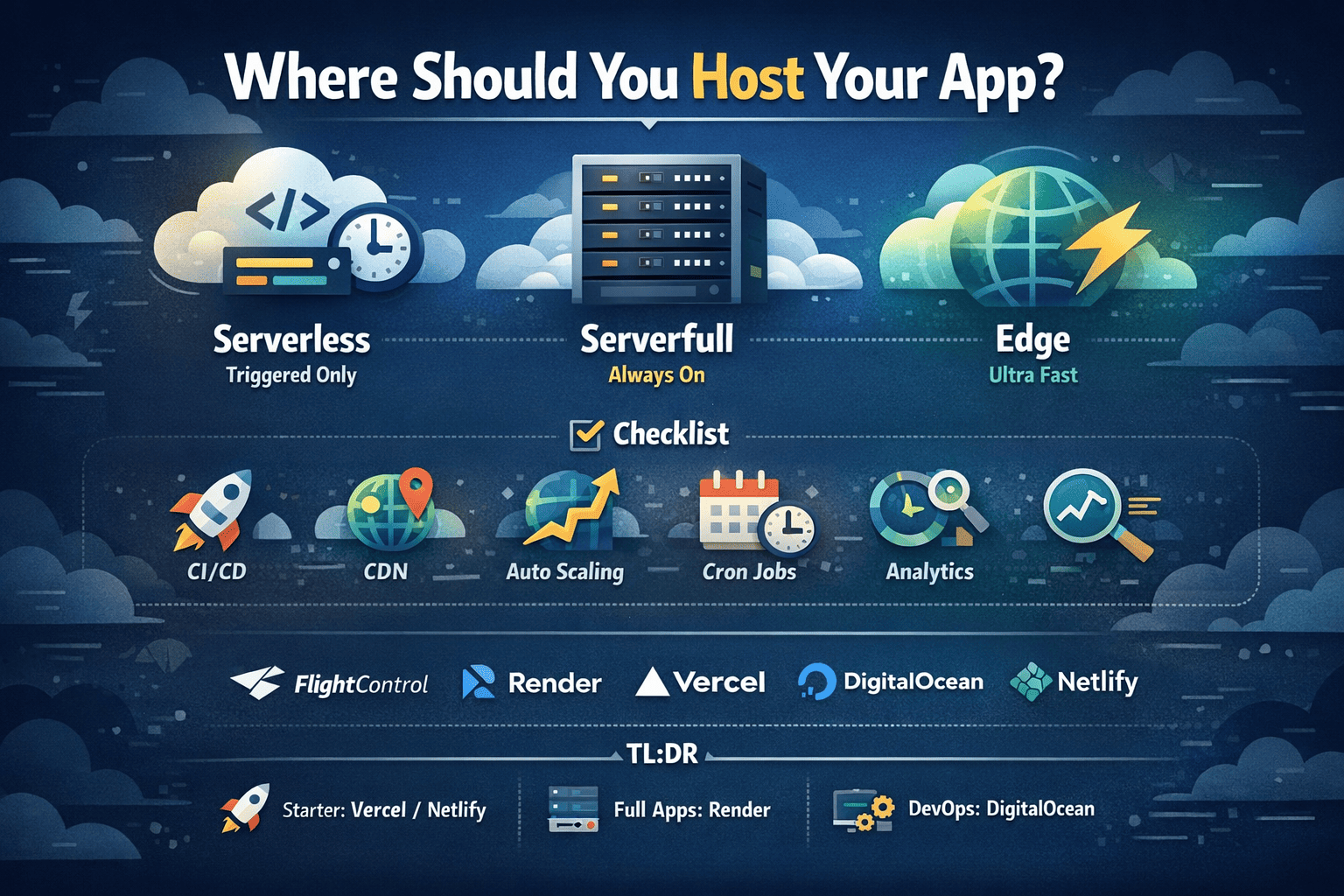
Where Should You Host Your App? Hosting Providers Compared
So… You built your app. It works. It’s cool. Now the big question, where the heck should you host it? We get it. Hosting is no longer just about throwing code on a server. It’s about choosing the right setup, at the right cost, with the right performance for your users. Let’s break it down.
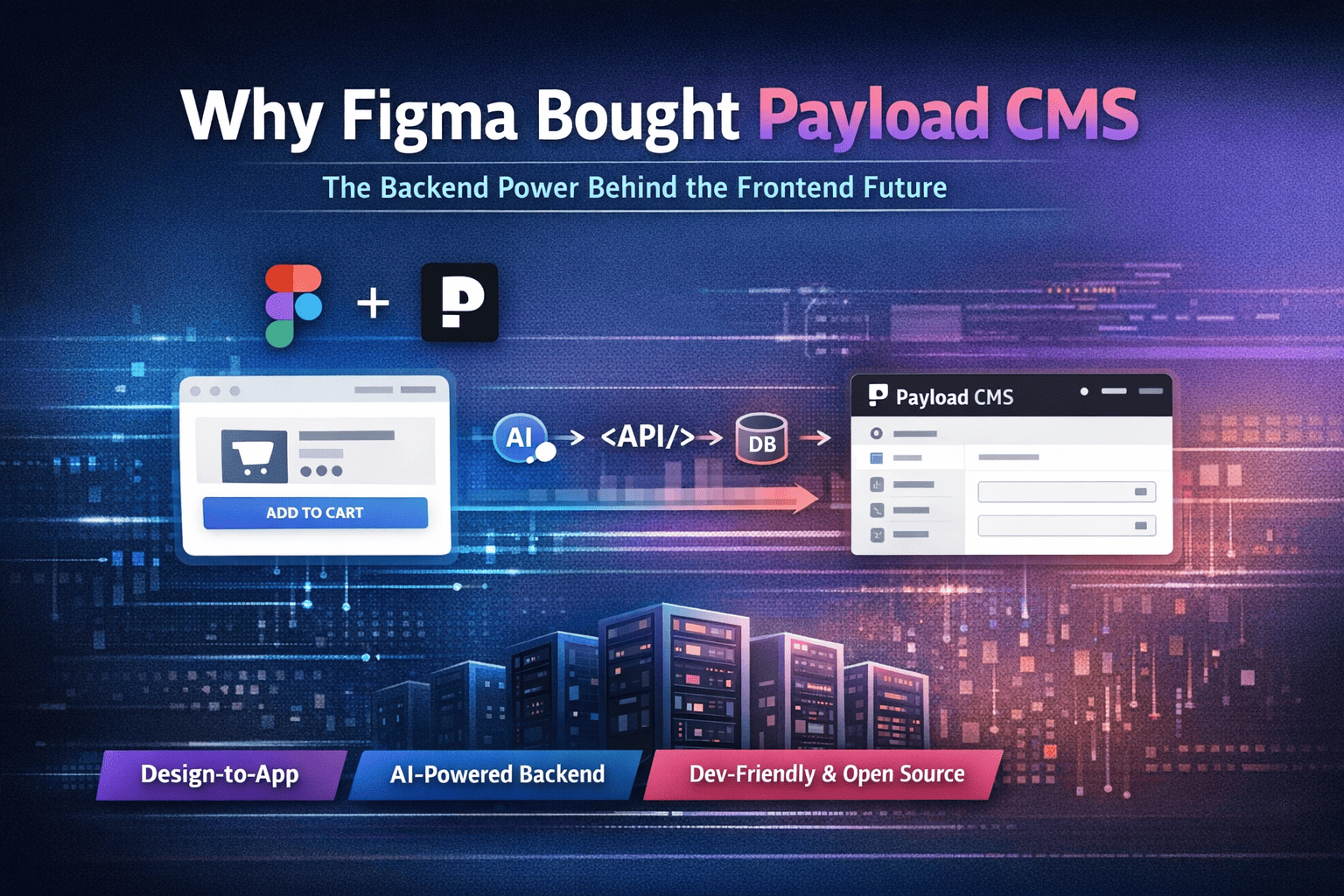
Why Figma Bought Payload CMS — And Why It Actually Makes a Lot of Sense
In a move that caught most of the dev community off guard, _Figma acquired Payload CMS_. A design company buying a CMS? Sounds odd at first. But it’s not. Here’s the breakdown.
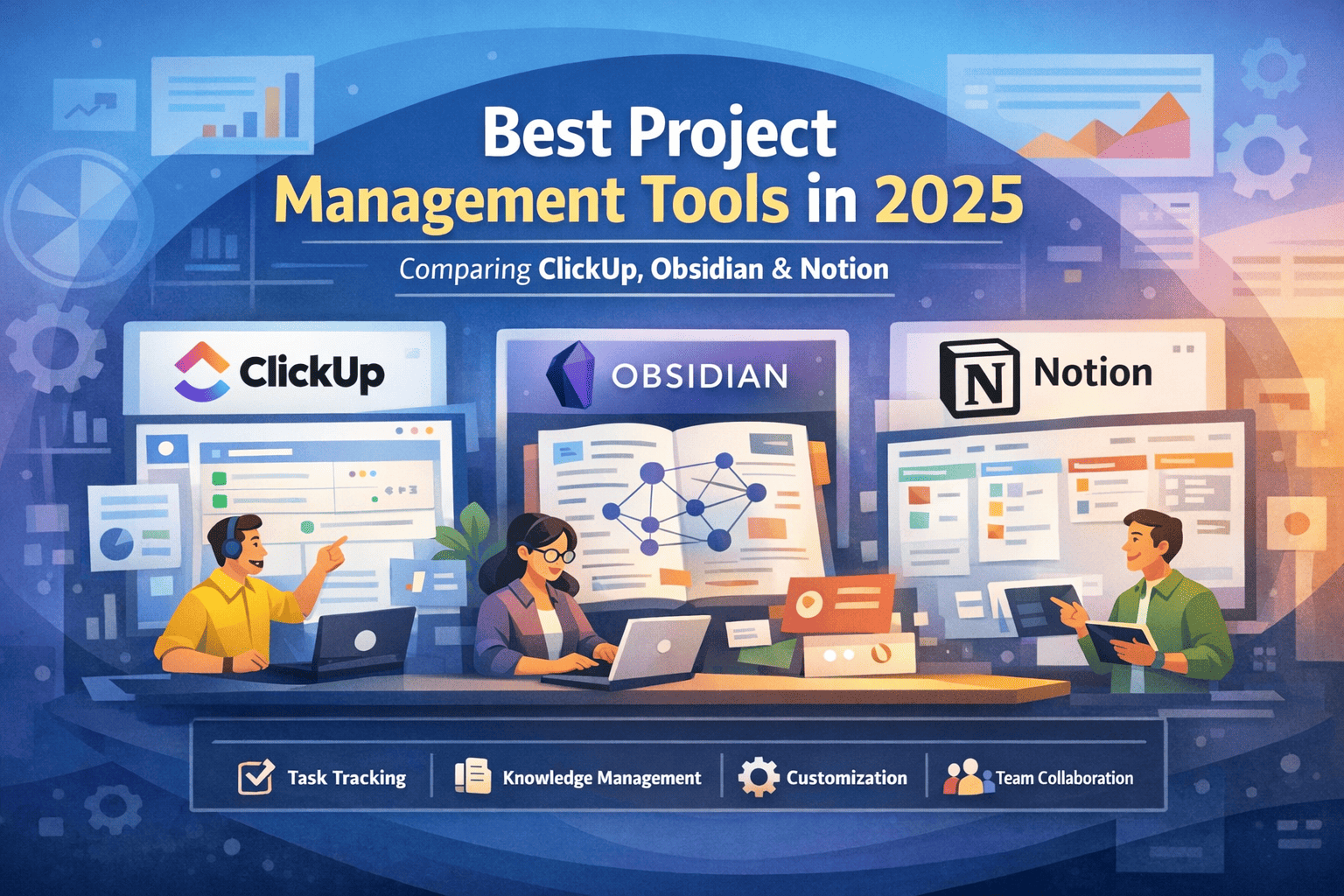
Top Project Management Tools in 2025: ClickUp, Obsidian, Notion & More
In today’s fast-paced work environment, effective project management is the key to success. Whether you’re leading a small team or managing large-scale initiatives, the right tools can streamline workflows, improve collaboration, and keep projects on track. With so many project management platforms available, choosing the best one can feel overwhelming. In this article, we’ll explore some of the most popular tools in 2025, including **ClickUp**, **Obsidian**, and **Notion**, comparing their features, strengths, and use cases to help you find the perfect fit for your team.
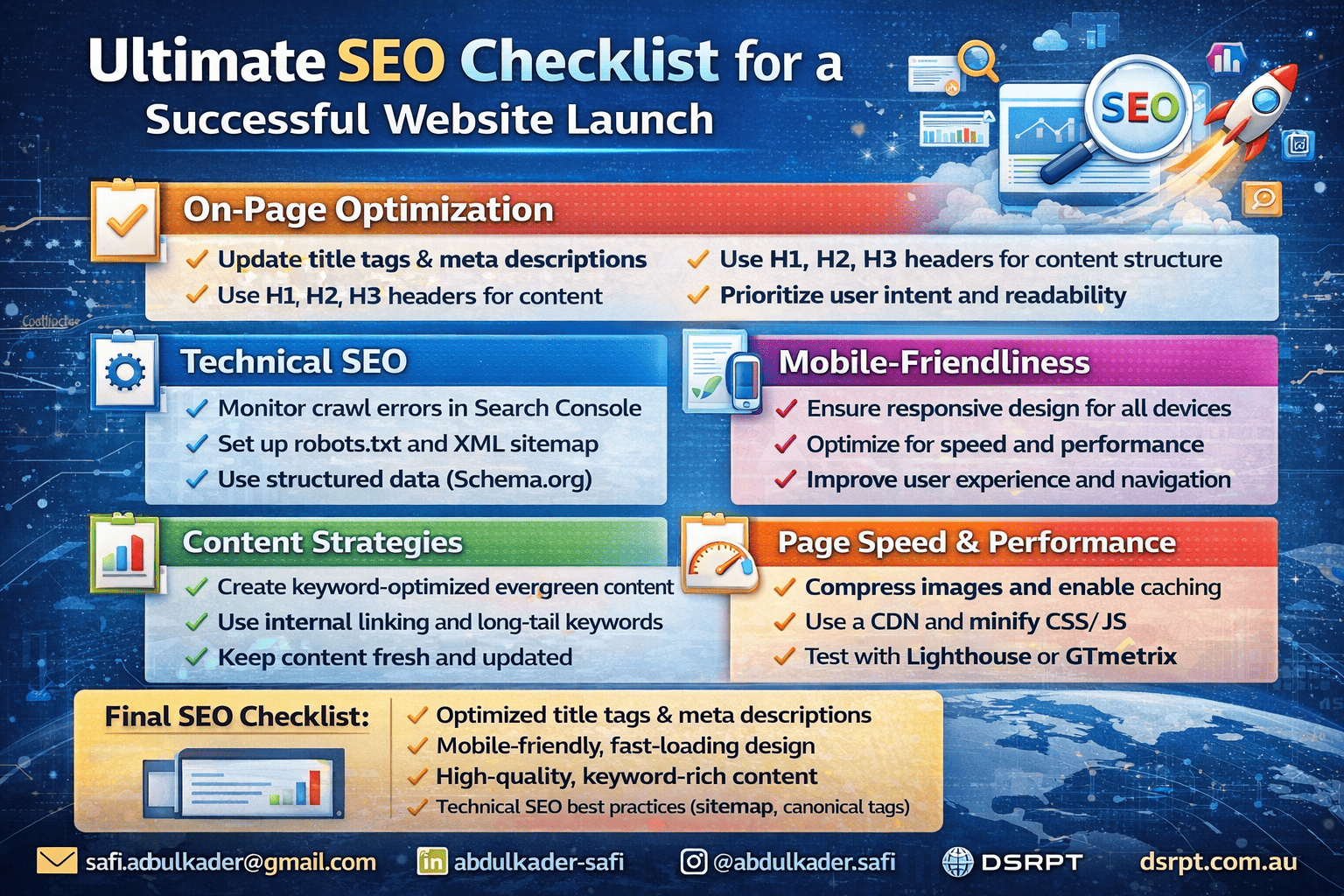
What Are the Core On-Page SEO Elements I Should Focus on Before Launching?
Master your SEO checklist before launching a website with these actionable tips on on-page optimization, technical SEO, content strategy, mobile-friendliness, and more. Boost your site’s visibility with expert guidance!
One email when the next one lands
No sequence, no course, no webinar. Leave from any email.